
Pest problems rarely announce themselves in advance. By the time homeowners notice sightings of ants, rodents, or other intruders, an infestation may already be underway. Understanding pest control plans for residential homes helps homeowners stay ahead of pest pressure before it becomes a costly problem.
Introduction
A residential pest control plan is a structured agreement between a homeowner and a licensed pest control provider. It replaces reactive, emergency-only calls with scheduled inspections, preventive treatments, and ongoing monitoring throughout the year.
The stakes are real. Termites cause an estimated $6.8 billion in U.S. property damage annually, and standard homeowners insurance does not cover it. Ticks, rodents, and cockroaches carry public health risks that compound when left unaddressed.
Knowing how these plans are structured, what they cover, and what they cost gives homeowners the information they need to make a sound decision for their property and their family.
What Is a Residential Pest Control Plan?
A residential pest control plan is a scheduled service program designed to prevent and manage pest pressure in and around a home. Rather than treating one pest after damage is done, these plans use regular inspections and treatments to keep common pests from gaining a foothold.
The U.S. EPA defines Integrated Pest Management (IPM) as an effective, environmentally sensitive approach that combines knowledge of pest biology with the least-risk control methods available. Most professional plans today are built on this framework.
Key components of a well-structured plan include:
- Scheduled inspections: Regular visits to identify pest activity before it escalates
- Pest identification: Accurate diagnosis to ensure the right treatment is applied
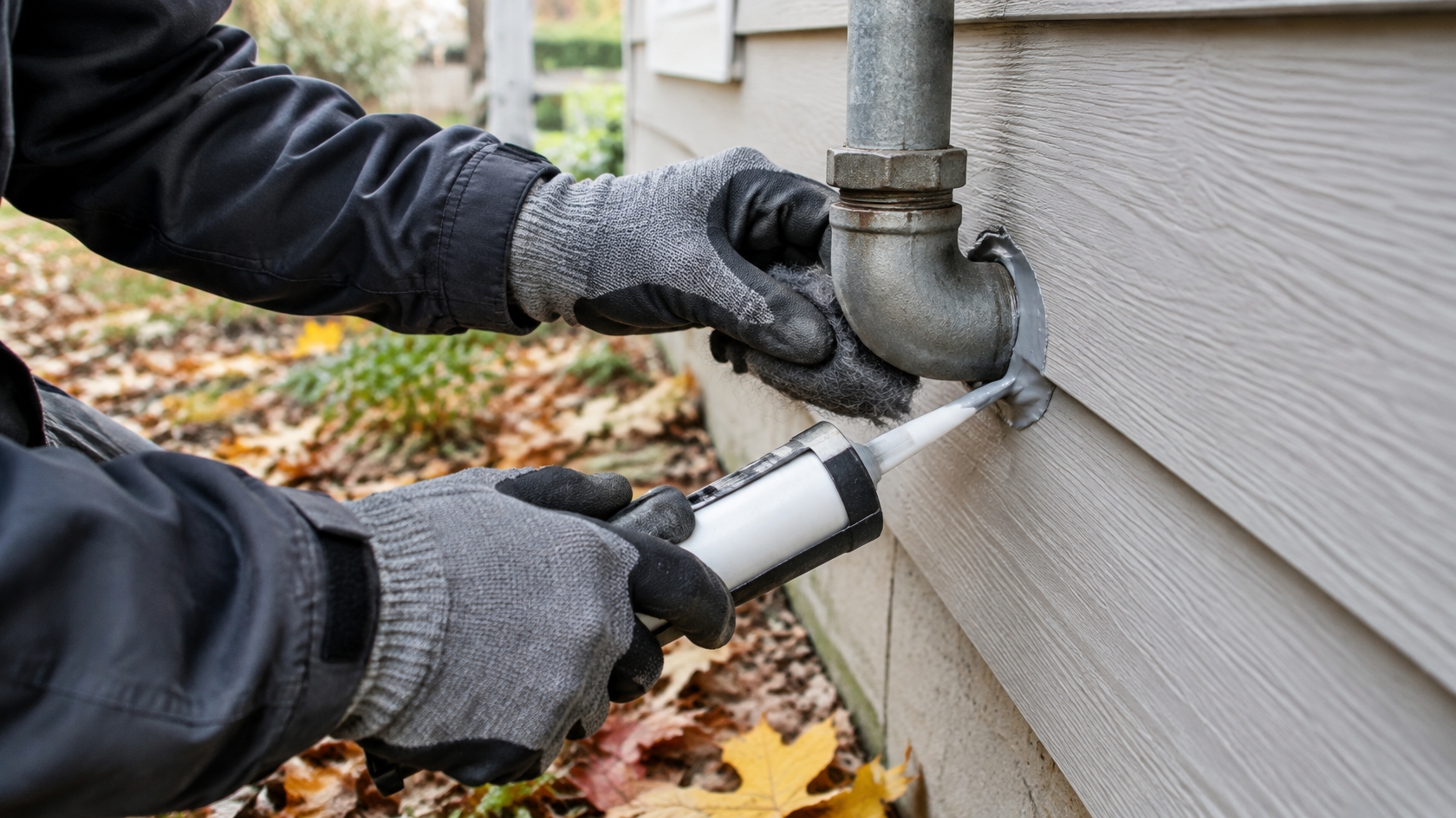
- Preventive treatment: Barrier applications and exclusion work to block entry points
- Customer education: Guidance on sanitation, moisture control, and conditions that attract pests
- Callback visits: Return service between scheduled treatments at no additional charge
Types of Residential Pest Control Plans
Residential pest control plans generally fall into three main structures: one-time treatments, recurring scheduled service, and comprehensive bundled programs. The right fit depends on pest pressure levels, home size, and geographic location. Understanding each structure helps homeowners match their specific situation to a plan that delivers consistent, cost-effective protection.
One-Time vs. Recurring Plans
One-time treatments address a specific, active infestation. They are useful for isolated incidents but offer no ongoing protection. According to NPMA / Specialty Consultants LLC, recurring service contracts now account for 85.4% of all residential pest control revenue, reflecting a clear industry-wide shift toward preventive maintenance over reactive treatment.
Recurring plans come in several frequencies:
- Monthly plans: $40-$70 per visit, best for high pest-pressure environments or active infestations
- Bi-monthly plans: $50-$80 per visit, suited for moderate pest pressure zones
- Quarterly plans: The most widely recommended option, averaging approximately $44 per month when calculated annually
- Tri-annual plans: $300-$900 per year, appropriate for lower-activity areas
- IPM-based plans: The fastest-growing segment, shown to reduce pest complaints by as much as 90% while cutting overall pesticide use
Braman Termite & Pest Elimination offers the MultiPest Plan, which provides four seasonally timed treatments per year covering 20 common New England pests, with no additional charge for callback visits between scheduled services.
How a Pest Control Plan Works Step by Step
A professional pest control plan works by moving through a structured sequence of inspection, treatment, monitoring, and follow-up, with each phase building on the last to deliver lasting results rather than temporary relief. This step-by-step process ensures technicians address root causes rather than visible symptoms alone.
The Initial Inspection
The process begins with a thorough inspection of the property. A trained technician examines the exterior of the home, entry points such as doors and windows, utility penetrations, moisture sources, and any evidence of existing pest activity. According to Braman’s IPM process, accurate pest identification follows immediately, because the wrong treatment for the wrong pest wastes time and money.
The inspection findings drive everything that comes next. A customized treatment plan is built around the specific conditions found at that home, not a generic spray schedule.
Treatment and Prevention Methods
Treatment combines targeted product applications with structural and sanitation recommendations. The EPA prioritizes eliminating nesting sites, removing food and water sources, and excluding pests from the structure before chemical controls are applied. Most general treatments take 30 to 60 minutes, with chemical barrier sprays remaining effective for 60 to 90 days, which is why quarterly scheduling aligns well with treatment cycles.
Professional treatment delivers measurable results. Research cited by GreenHow places the documented success rate of professional pest control between 83% and 100%, depending on pest type and method.
Key Benefits of a Scheduled Pest Control Plan
A scheduled pest control plan benefits homeowners by protecting both the health of the people inside a home and the structural integrity of the property itself. Consistent service intervals prevent infestations from establishing, reducing exposure to disease-carrying pests and limiting the damage that wood-destroying insects can cause over time.
Health and Property Protection
Tick-borne disease is a serious and growing concern for homeowners in Southern New England. Confirmed tick-borne disease cases in Massachusetts reached 11,115 in 2025, a 79% increase in three years, according to NBC Boston. A January 2025 Dartmouth University study found that 50% of adult blacklegged ticks in the Northeast now carry Lyme disease bacteria, making professional tick control a direct public health concern.
Property damage is equally significant. Termites infest an estimated 600,000 U.S. homes every year. Only 31% of homeowners take preventive measures against them, according to a 2026 NPMA/Harris Poll survey, even though untreated infestations routinely result in repair bills that dwarf the cost of annual protection.
Additional benefits of a scheduled plan include:
- Early detection: Technicians spot pest activity before it becomes a full infestation
- Consistent protection: Treatments are timed to seasonal pest pressure cycles
- Reduced pesticide exposure: IPM-based plans use the least-risk methods first
- Callback coverage: Most recurring plans include free return visits between scheduled treatments
- Peace of mind: Homeowners are not left managing pest problems on their own
What Pests Are Typically Covered?
Most residential plans cover the pests most likely to affect homes in a given region, including ants, cockroaches, spiders, rodents, and stinging insects. Coverage varies by provider and plan tier, so homeowners should confirm which specific pests are included before signing an agreement.
Across the United States, ants are the most commonly reported pest, affecting 56% of households. Mice affect 29% of households, and cockroaches affect 23%. Rodents generated the most service calls nationally, with 96% of pest control companies treating them in the past year.
Braman’s MultiPest Plan covers 20 common New England pests, including:
- Carpenter ants, ants (excluding Pharaoh ants), and ground beetles
- Spiders, silverfish, centipedes, and millipedes
- Wasps, hornets, and bees
- Mice and rats
- Stink bugs, boxelder bugs, earwigs, and crickets
Mosquitoes, ticks, and termites are available as MultiPest+ add-ons. Bundling termite treatment saves customers $295 per year. In Connecticut in 2025, 55% of adult blacklegged ticks tested positive for Lyme disease bacteria, rising to 68% in Fairfield County, making tick add-ons a practical consideration for Southern New England homeowners.
How Much Does a Residential Pest Control Plan Cost?
Residential pest control plan costs vary by plan frequency, home size, pest type, and region, making it difficult to name a single universal price. Most homeowners find that recurring plans cost far less than one-time emergency treatments, which means consistent service is often the more economical long-term choice.
Is Monthly Pest Control Worth It?
For most homes, a quarterly plan offers the best value. PestControlPricing.com reports that quarterly plans average approximately $44 per month, or $400 to $1,200 annually, with homeowners saving 30 to 50% compared to paying for individual one-time visits. Monthly plans run $480 to $840 per year and are best reserved for high pest-pressure situations or active infestations requiring more frequent attention.
The cost comparison becomes clearest when termite damage enters the picture. Untreated termite infestations average $3,000 to $17,000 or more in structural repair costs, while professional termite protection plans run approximately $300 to $800 annually. The NPMA’s 2025 cost study, aggregating data from 246 firms across 47 states, found the estimated average annual spend per residential account was approximately $700.
How to Choose the Right Pest Control Plan for Your Home
Choosing the right pest control plan starts with an honest assessment of your property, your region, and the pest pressure you are most likely to face. Matching those factors to available plan structures, coverage tiers, and service frequencies helps ensure you pay only for protection your home genuinely needs.
Questions to Ask Before Signing a Plan
Before committing to any service agreement, homeowners should ask specific questions to evaluate whether a provider is the right fit. A 2025 NPMA/Harris Poll found that only 36% of Americans take preventive measures against pests, often because they are unsure where to start.
Key questions to ask any pest control provider include:
- Does the plan use an IPM approach? The EPA advises confirming that providers combine inspection, identification, prevention, and targeted treatment rather than a one-size-fits-all spray schedule.
- What pests are covered, and what are the exclusions? Termites, mosquitoes, and ticks are often add-ons, not standard inclusions.
- Are callback visits included at no extra charge? This matters when pest pressure spikes between scheduled treatments.
- Is the company licensed, insured, and certified? Look for credentials such as the NPMA’s QualityPro and GreenPro designations, which signal verified licensing and a commitment to environmentally responsible practices. Braman Termite & Pest Elimination holds both.
- Does the plan account for regional pest pressure? In the Northeast, mouse infestations affect 35% of residents, making rodent exclusion a priority in fall. Tick and mosquito management are essential from spring through fall.
A 2025 CDC-funded Project ITCH survey of nearly 5,000 New England households found that 44% had a household member ever diagnosed with a tick-borne disease. That figure alone makes professional tick and mosquito coverage a sound investment for homeowners in this region.
Conclusion
Pest pressure is a year-round reality for homeowners across Southern New England and the broader United States. Scheduled pest control plans offer a structured, cost-effective way to protect both property and public health, replacing reactive emergency calls with consistent, preventive care.
Choosing the right plan means understanding regional pest threats, asking the right questions of any provider, and confirming that treatments follow an IPM-based approach. Homeowners who invest in professional, recurring service are far better positioned to avoid the significant costs that come with untreated infestations.
Frequently Asked Questions
How much does a residential pest control plan cost in the United States?
Residential pest control plan costs vary by frequency and region. For an average 3-bedroom home, annual costs range from $400 to $950 depending on plan type and pest coverage. A one-time general visit runs $100 to $600, with most companies charging an initial setup fee of $150 to $300 that is typically waived when customers sign an annual agreement.
Are ticks a year-round concern for homeowners in the United States?
Yes, particularly in the Northeast. Blacklegged ticks in Massachusetts are active whenever temperatures are above freezing, with adult ticks most active in fall and spring and nymphs peaking from May through July. Emergency room visits for tick bites in New England reached 233 per 100,000 ER visits in June 2025, nearly double the national average, according to CDC Tick Bite Tracker data.
What does a professional pest inspection include?
A professional inspection covers entry points such as doors, windows, and utility penetrations, as well as moisture sources, harborage areas, structural vulnerabilities, and evidence of existing pest activity. The EPA and NPMA both describe this process as the foundation for building a customized treatment plan specific to that home’s conditions and pest pressure.
Is DIY pest control as effective as professional service?
Consumer research shows that 73% of homeowners attempt DIY pest control before calling a professional, spending an average of $347 annually on products, according to a Forbes Home survey. Professional services in that same price range include callbacks, warranties, and expert pest identification, which DIY products cannot replicate. The gap in outcomes is significant for persistent pests like carpenter ants and rodents.
How do I get started with a residential pest control plan?
Start with a professional inspection to identify current pest activity and entry points. From there, a licensed provider will recommend a plan frequency based on your home’s specific conditions. Look for providers holding QualityPro or GreenPro certifications from the NPMA, confirm that callback visits are included, and ask whether the plan uses an IPM approach before signing any service agreement.