
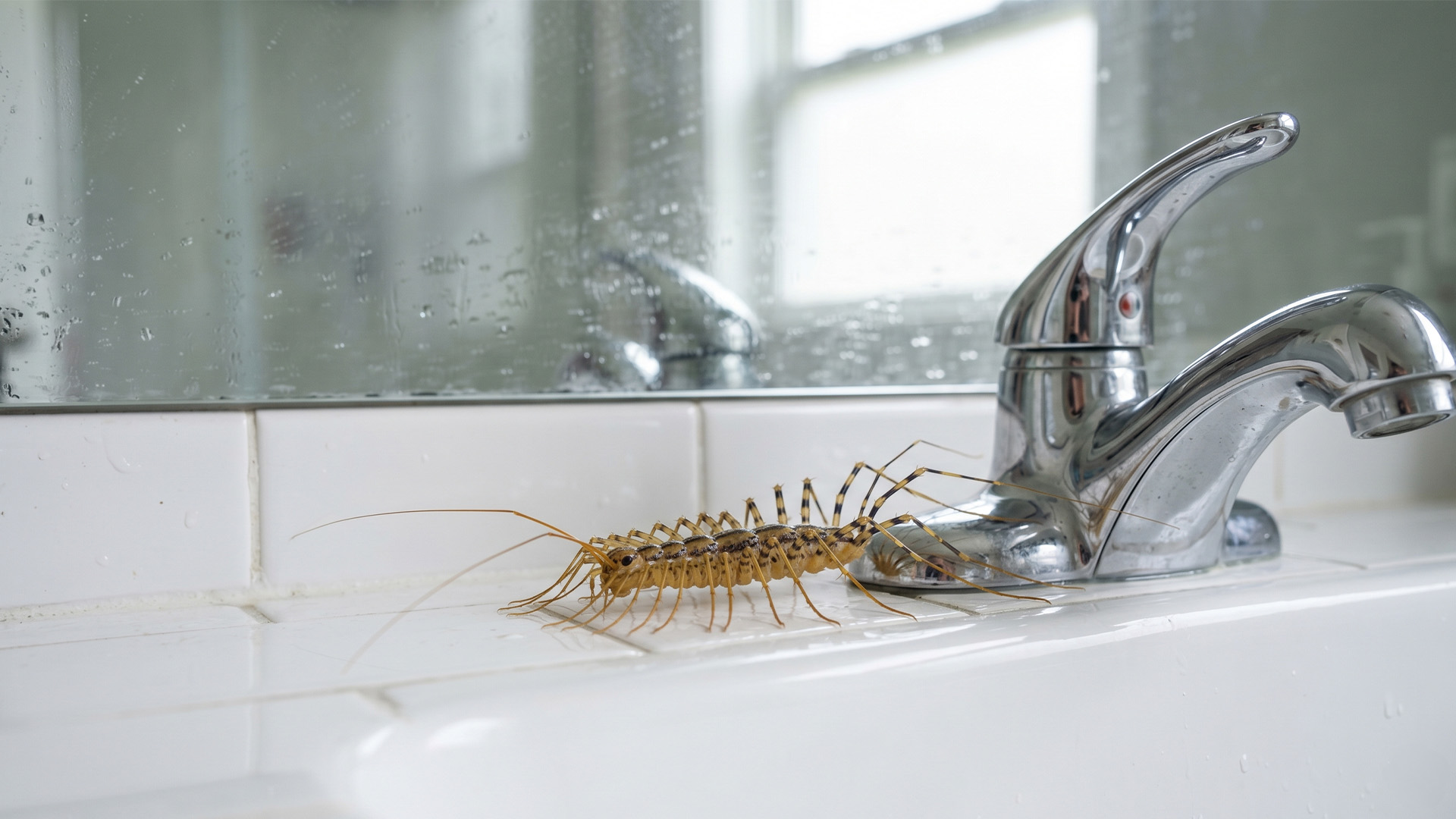
When summer humidity settles over Southern New England, it can create the perfect conditions for moisture-loving pests like earwigs, silverfish, springtails, millipedes and sowbugs. These pests thrive in damp environments, which is why homeowners often notice them in basements, bathrooms, kitchens, laundry rooms, garages and sheds after humid weather or heavy rain.
We know prevention starts with understanding what attracts pests in the first place. By reducing moisture around your home, you can make your property less inviting to these damp-loving pests and help prevent an infestation before it starts.
Why Humid Weather Attracts Moisture-Loving Pests
Many pests need moisture to survive. When the air is humid, soil stays damp, mulch holds water and basements or crawl spaces can become ideal hiding places.
These conditions support pests that thrive in dark, damp environments, including:
- Earwigs
- Silverfish
- Springtails
- Millipedes
- Sowbugs and pill bugs
- Centipedes
Some of these pests live outdoors and move inside when rain floods their hiding places. Others may already be indoors but become more active when humidity rises. That is why a humid week can turn into a “Why are there bugs in my basement?” week.
What Are Moisture-Loving Pests?
Moisture-loving pests are insects and other occasional invaders that prefer damp, humid environments. They are commonly found in bathrooms, basements, crawl spaces, kitchens, laundry rooms, garages, sheds and other spaces where moisture collects.
They may not all cause the same level of damage, but they are usually a sign that conditions around your home are a little too damp for comfort. Reducing moisture is one of the most effective ways to make your home less attractive to them.
Why Silverfish Show Up in Damp Areas
Silverfish are primitive, wingless insects with carrot-shaped bodies, silvery scales, long antennae and three long bristles on their rear. They move with a wiggling motion that resembles a fish, which is how they earned their name.
Silverfish prefer dark, damp areas such as bathrooms, kitchens, laundry rooms, attics and basements. They are also commonly found in stored boxes in garages and sheds, especially when those boxes contain books, papers or damp clothing. The glue used in corrugated cardboard can even serve as a food source.
Because silverfish are nocturnal and secretive, an infestation can go unnoticed for a long time. They also reproduce quickly and may live for two to eight years, which makes silverfish control difficult without the right approach.
Fun fact: silverfish are older than dinosaurs! They are one of the oldest insects on Earth. They have existed for more than 400 million years. Not bad for a pest that still gets stuck in the bathtub.
Why Silverfish Can Be a Problem
Silverfish do not bite, sting or spread disease, so they are not considered a health threat to people or pets. The problem is their appetite.
Silverfish feed on carbohydrates, especially sugars and starches. Around the home, that can include:
- Wallpaper
- Books
- Envelopes
- Paper
- Glue
- Book bindings
- Cotton
- Silk
- Linen
- Some paints
- Plaster
- Dandruff
- Hair
- Dead bugs
They can even eat their own exoskeletons after they molt. Given their wide-ranging diet, silverfish can quietly damage stored items, documents, books and household materials over time.
Signs You May Have Silverfish
Most homeowners notice silverfish when they see one on the floor or trapped in a sink or bathtub.
Other signs may include:
- Small holes or notches in paper, books or wallpaper
- Yellowish stains on stored items
- Tiny pepper-like droppings
- Damage near damp cardboard boxes
- Shed skins in hidden areas
Female silverfish can lay one to three eggs per day, so a small issue can become a long-term infestation if the conditions are right.
Why Earwigs Come Inside after Humid Weather
Earwigs are also associated with damp environments. Outdoors, they are often found under mulch, leaf litter, stones, logs, flowerpots and other areas that hold moisture. After heavy rain or extended humidity, earwigs may move closer to the foundation or indoors while looking for shelter.
Homeowners often spot earwigs in basements, bathrooms, kitchens and first-floor rooms. While they can look alarming, especially because of their pincers, their presence indoors usually points to excess moisture or easy entry points rather than a true indoor nesting problem.
How to Reduce Moisture Around Your Home
Prevention is key when it comes to moisture-loving pests. The less dampness you have around your home, the less attractive it becomes to silverfish, earwigs and other occasional invaders.
Here are practical steps homeowners can take:
- Use dehumidifiers in damp spaces: basements and crawl spaces can hold moisture, especially in humid summer weather. Using a dehumidifier can help lower humidity and make these areas less appealing to silverfish and other damp-loving pests.
- Fix leaks promptly: check under sinks, around toilets, near washing machines and around water heaters. Even a small leak can create the damp conditions pests need to thrive.
- Improve ventilation: use bathroom fans, kitchen fans and laundry room ventilation to help move humid air out of the home. Attics and crawl spaces should also be properly ventilated.
- Store items In plastic containers: silverfish are especially attracted to paper, books, damp clothing and cardboard boxes. Repack stored items in sealed plastic containers, especially in garages, sheds, attics and basements.
- Get rid of cardboard clutter: cardboard can hold moisture and provide food for silverfish. Dispose of unnecessary boxes and avoid long-term storage in cardboard whenever possible.
- Clean up dead bugs: silverfish can feed on dead insects, so regular cleaning helps remove a potential food source.
- Manage outdoor moisture: keep mulch from piling up against your foundation, clear leaf litter, clean clogged gutters and make sure downspouts direct water away from the house. These steps can help reduce outdoor hiding spots for earwigs, millipedes and other moisture-loving pests.
- Seal entry points: check around doors, windows, utility openings, foundation cracks and basement access points. Sealing gaps can help keep pests from moving indoors when outdoor conditions become too wet.
When to Call Braman
Moisture control can go a long way, but some infestations require professional help. Silverfish pest control can be especially difficult because they are stealthy, active at night and able to survive for weeks without eating.
Contact Braman Termite & Pest Elimination to identify the pest, determine what conditions are contributing to the problem and recommend effective treatment options. Depending on the situation, treatment may include pesticidal dusts, liquids, baits and practical recommendations for making your home less pest friendly.
If you think you have a silverfish infestation, earwigs in the house or another moisture-loving pest problem, contact Braman. We’re here to help protect your home with honest, professional and effective service.
FAQ: Moisture-Loving Pests
What Are Moisture-Loving Pests?
Moisture-loving pests are insects and other pests that thrive in damp, humid environments. Common examples include silverfish, earwigs, springtails, millipedes, sowbugs, pill bugs and centipedes.
Why Do I See More Pests after Humid Weather?
Humid weather creates damp conditions around foundations, basements, crawl spaces, mulch and stored items. These conditions can attract pests or cause outdoor pests to move inside when their hiding places become too wet.
Are Silverfish Dangerous?
Silverfish do not bite, sting or spread disease, so they are not considered dangerous to people or pets. However, they can damage paper, books, wallpaper, envelopes, glue and other starchy materials.
Where Do Silverfish Hide?
Silverfish prefer dark, damp places such as bathrooms, kitchens, laundry rooms, attics, basements, garages and sheds. They may also hide in cardboard boxes, stored papers, books and damp clothing.
How Can I Prevent Moisture-Loving Pests?
Reduce humidity, fix leaks, improve ventilation, remove cardboard clutter, store items in sealed plastic containers, clean up dead bugs, manage outdoor moisture and seal entry points around the home.
When Should I Call a Pest Control Professional?
Call a pest control professional when pests keep coming back, you see signs of damage or you suspect a silverfish infestation. Braman can help identify the pest, address contributing conditions and provide effective treatment.