
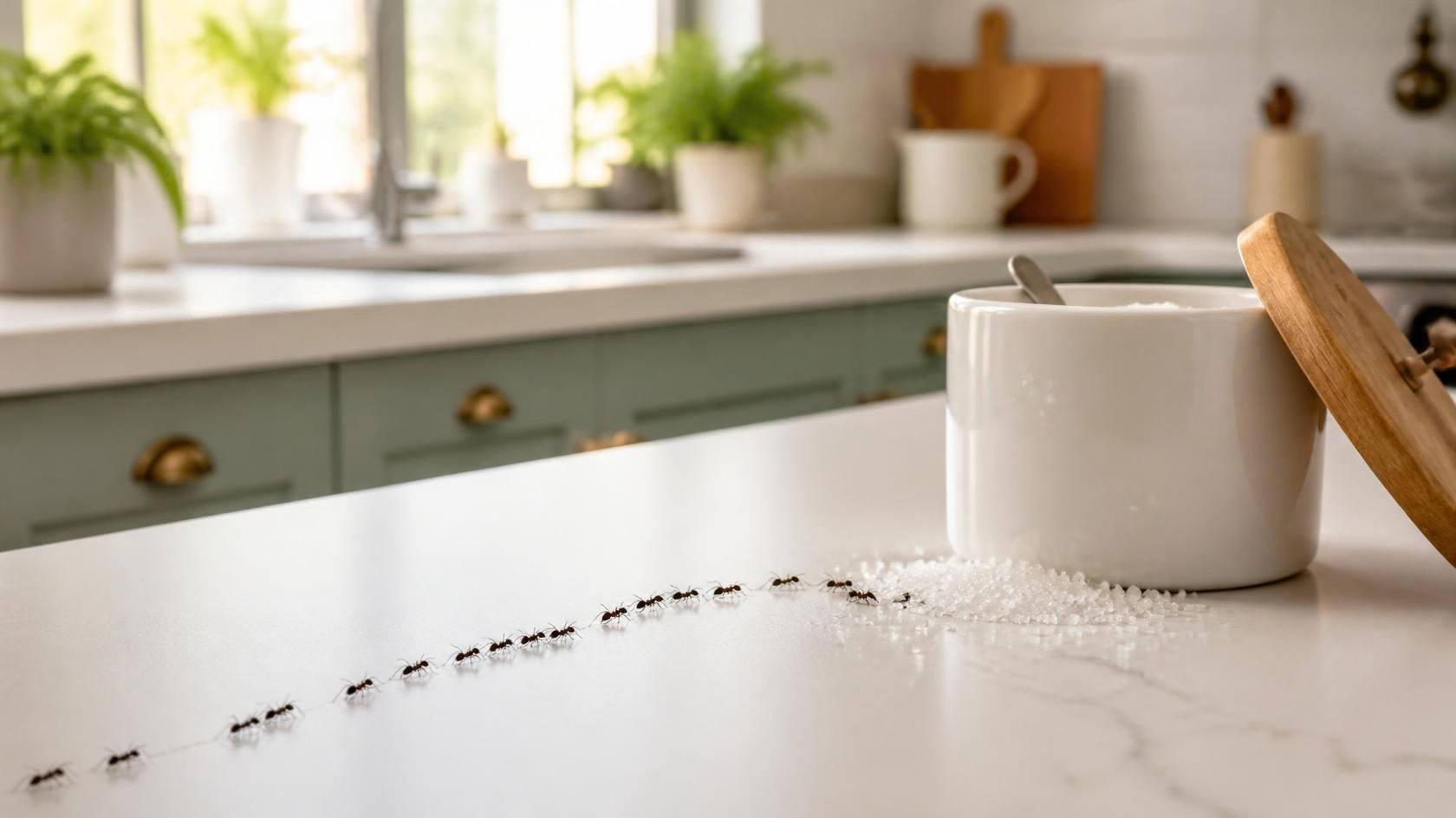
Pests rarely announce themselves. By the time most homeowners notice a problem, an infestation has already taken hold. Knowing the top 10 common household pests and their signs gives you the advantage of early action.
Introduction
Household pests are a year-round concern for homeowners and facility managers across the United States. They damage property, contaminate food, and pose real public health risks. According to Forbes Home, 46% of respondents said their homes suffered structural damage from a previous pest infestation.
Identifying pests early is the most effective way to limit that damage. As the University of Maryland Extension notes, proper identification is the first step before any management strategy can succeed. Without it, treatment efforts often miss the mark entirely.
Recognizing the warning signs of common invaders, from droppings and gnaw marks to mud tubes and shed skins, puts you in a position to act before pest pressure escalates into a costly problem.
Why household pests are more than a nuisance
Household pests threaten public health, structural integrity, and food safety in ways that go far beyond simple annoyance. The EPA estimates that untreated pest damage costs U.S. homeowners between $5 billion and $15 billion each year, making early identification and intervention a practical financial priority for any property owner.
The most serious risks include:
- Property damage: Termites, carpenter ants, and rodents destroy wood, wiring, and insulation
- Disease transmission: Cockroaches carry over 30 types of pathogens harmful to humans, according to NPMA data
- Allergen exposure: Cockroach allergens are detectable in 63% of U.S. homes and are a leading asthma trigger in children
- Fire hazards: Rodents are estimated to cause up to 20% of undetermined house fires annually
- Food contamination: Flies, cockroaches, and rodents spread bacteria across food preparation surfaces
The 10 most common household pests at a glance
According to an NPMA survey conducted by The Harris Poll, the pests Americans encounter most often in their homes include spiders, ants, flies, mosquitoes, cockroaches, and rodents. Rounding out the list are termites, bed bugs, fleas, and occasional invaders such as moths and stinging insects.
Each pest leaves distinct evidence. Knowing what to look for in your home or facility is the foundation of effective pest management:
- Ants: Trails near food, sawdust piles near wood
- Cockroaches: Droppings, shed skins, musty odor
- Rodents: Gnaw marks, droppings, nesting material
- Termites: Mud tubes, hollow wood, discarded wings
- Bed bugs: Blood stains on bedding, shell casings, bites
- Spiders: Webs, egg sacs, live sightings in dark areas
- Moths: Holes in fabric, webbing in pantry goods
- Flies: Maggots near waste, dark spots on surfaces
- Wasps: Papery nests, buzzing in walls, repeated indoor sightings
- Fleas: Flea dirt on pets, itchy bites around ankles
Cockroaches, ants, and rodents: signs of the most common invaders
These three pests account for the majority of residential pest control calls. Each leaves behind reliable physical evidence that can confirm an infestation before sightings become frequent.
Cockroaches: droppings, odor, and shed skins
Cockroaches are nocturnal, so spotting one during daylight hours signals a serious infestation. Their droppings resemble ground coffee or black pepper and appear along baseboards, inside cabinets, and near plumbing. A persistent oily, musty odor is another early indicator, often noticeable before the population is large enough to produce other visible signs.
Oval-shaped egg cases (oothecae) and shed skins are also common findings. According to Dodson Pest Control, about 14 million Americans reported cockroach sightings in their homes in 2021.
Ants: trails, frass, and entry points
Ants are the most reported household pest in the United States, with about 50% of American households experiencing an ant problem each year. The clearest signs are visible trails leading to food sources and small piles of sawdust-like frass near wooden structures, which indicate carpenter ant activity.
Carpenter ants hollow out wood for nesting rather than eating it, causing serious structural damage over time. A mature carpenter ant colony can contain up to 100,000 individuals. Faint rustling sounds inside walls at night are another sign worth investigating.
Rodents: gnaw marks, droppings, and nesting
Rodents invade an estimated 21 million U.S. homes each winter, according to the NPMA. The EPA advises looking for droppings near food storage areas, gnaw marks on packaging and structural materials, and shredded nesting material in hidden spaces. A foul, ammonia-like odor from rodent urine is another reliable indicator.
Scratching or squeaking sounds inside walls, especially at night, often confirm that rodents have established nesting sites. A mouse can fit through a hole the size of a dime, making even small exterior gaps a risk.
Termites and bed bugs: the hidden damage makers
These two pests share a critical trait: they cause significant harm long before most people notice them. Early inspection is essential for both.
Termites: mud tubes, hollow wood, and swarmers
Termites damage approximately 600,000 U.S. homes each year, and the average homeowner spends $3,000 on repairs after discovering an infestation. Subterranean termites are the most destructive species, responsible for an estimated 80 to 95% of termite damage nationwide. Their mud tubes, pencil-width tunnels of soil running along foundations and walls, are one of the clearest early signs.
Swarmers, winged termites that appear in early spring, indicate a mature colony nearby. Wood that sounds hollow when tapped and floors that feel spongy underfoot are signs that damage has already progressed.
Bed bugs: bites, stains, and shell casings
Bed bugs are found in all 50 states, yet only 29% of Americans can correctly identify them, according to a 2025 NPMA and Harris Poll survey. The most common signs include rusty or reddish stains on bedding from crushed bugs, dark excrement spots that bleed into fabric, and pale yellow shed skins left behind after molting.
Bite marks on the face, neck, arms, or hands after sleeping are another indicator, though reactions can take up to 14 days to appear in some people. A sweet, musty odor in a bedroom often signals a large infestation.
Spiders, moths, and flies: what their presence signals
These pests are often dismissed as minor nuisances, but their presence frequently points to a larger underlying pest pressure problem worth addressing.
Spiders follow insects. Finding webs, egg sacs, or live sightings in basements, garages, and closets usually means other insects are already present as a food source. Signs of a spider infestation include webs, egg sacs, and spider droppings, which appear as small white spots beneath resting areas.
Moths cause damage in two distinct areas of the home. Clothes moths target natural fibers like wool and silk, leaving small holes and silken tubes in closets and storage areas. Pantry moths, identifiable by their two-toned copper and gray wings, infest stored grains, cereals, and dried goods. Finding webbing inside food packages is a reliable sign of pantry moth activity.
Flies signal sanitation or structural issues. A single fruit fly can lay up to 500 eggs in one week, and the common housefly can transmit approximately 65 different diseases. Maggots near waste receptacles, dark excrement spots on light-colored surfaces, and large numbers of flies near windows or kitchen areas all indicate an active infestation requiring attention.
Wasps and fleas: outdoor pests that move indoors
Both wasps and fleas originate outdoors but readily establish themselves inside homes, often going undetected until pest pressure is significant.
Wasps enter through damaged screens, open vents, and gaps in exterior walls. Key signs of an indoor wasp infestation include:
- Repeated indoor sightings without open windows, suggesting a nest inside the structure
- Buzzing or crackling sounds coming from walls or ceilings
- Wall discoloration or staining caused by heat and moisture from an active colony
- Visible papery nest structures in attics, eaves, or wall voids
Fleas are closely tied to pet activity but will bite humans when preferred hosts are unavailable. Flea infestations rose 47% in 2023, according to Rentokil Pest Control. Signs include excessive pet scratching, tiny black specks of flea dirt in fur or bedding, and itchy red bites clustered around the ankles.
The white sock test, walking through carpeted areas in white socks, can reveal adult fleas jumping onto the fabric.
How to spot an infestation early (before it spreads)
Early detection relies on knowing where to look and what to look for. Pests rarely appear in the open until populations are already large.
Practical steps for early identification include:
- Inspect under sinks and in pantries monthly for droppings, chew marks, or unusual insect activity
- Check the exterior of your facility or home seasonally, paying attention to loading docks, dumpsters, delivery areas, and foundation gaps
- Use sticky traps in garages, under sinks, and in corners as an early warning system for crawling insects
- Listen for sounds at night including scratching, scurrying, or buzzing inside walls
- Watch for seasonal patterns: ants and termites swarm in spring, rodents seek shelter in fall, and spiders become more visible in autumn
- Note any unusual odors, as musty, oily, or ammonia-like smells often indicate cockroaches, bed bugs, or rodents before visual signs appear
If sightings or physical evidence appear, a professional inspection is the most reliable next step.
Conclusion
Recognizing the signs of common household pests early is one of the most effective ways to protect your home, your health, and your property. From mud tubes along a foundation to flea dirt on a pet’s coat, each pest leaves behind evidence that a trained eye can identify before an infestation takes hold.
Braman Termite & Pest Elimination has been providing honest, quality pest control service since 1890, drawing on deep knowledge of pest biology to identify problems accurately and recommend the right course of action. If you notice any of the signs described here, a thorough inspection is the right first step.
Frequently Asked Questions
How much does professional pest control cost for common household pests in the United States?
Professional pest control costs vary widely depending on pest type and infestation severity. For an average 3,000-square-foot home in the United States, general pest control typically runs $400 to $950 annually. Termite treatments range from $1,000 to $3,000, while bed bug treatment averages $2,500.
Stinging insect removal and flea treatments fall in the lower range. Getting an inspection first helps determine which treatment plan is appropriate.
Which states in the United States have the highest pest pressure overall?
Warmer, more humid states experience significantly higher year-round pest activity. Texas leads in overall pest activity, with Dallas-Fort Worth and Houston ranking as the top two most pest-affected cities nationally. Florida, Alabama, and Georgia face heavy termite and cockroach pressure due to heat and humidity.
In the Northeast, including Western Massachusetts and Connecticut, rodent intrusions and carpenter ant activity are among the most common seasonal concerns.
How quickly can a household pest infestation spread if left untreated?
Infestation timelines vary by species but can escalate rapidly. A single female German cockroach can produce over 30,000 offspring in one year. A female mouse averages 35 offspring annually, though some produce up to 60. Bed bug populations double roughly every two to three months under ideal conditions.
Termite colonies typically take more than five years to reach a size capable of causing visible structural damage, making early detection especially valuable.
How do termite signs differ from carpenter ant signs?
Both pests damage wood, but their evidence differs in important ways. Termites produce mud tubes along foundations and leave hollow-sounding wood and frass resembling tiny wood-colored pellets. Carpenter ants, by contrast, leave coarse sawdust near damaged wood and create smooth, sandpaper-clean galleries inside structural timber.
Termites eat cellulose; carpenter ants only nest in wood. Misidentifying one for the other leads to ineffective treatment, which is why a professional inspection matters.
What should a homeowner do first when they notice signs of a pest infestation?
The first step is accurate identification. According to the University of Maryland Extension, proper identification must come before any management strategy. Document what you find, including droppings, damage patterns, shed skins, or live sightings, and note where in the home the evidence appears.
Avoid applying pesticides before identification, as this can scatter some species and worsen the problem. Contact a licensed pest control professional for a thorough inspection and a treatment recommendation based on the specific pest involved.