
Pest pressure does not stop at your property line. Rodents, insects, and wildlife move freely across yards, facilities, and structures, creating health risks and costly damage. Knowing how to prevent infestations and stay within wildlife regulations protects both your property and the public.
Introduction
Tips for pest-free environments and wildlife regulations cover two connected challenges. Controlling insects and rodents requires consistent prevention habits. Managing wildlife means understanding federal and state laws that govern what property owners can and cannot do.
The stakes are significant. The structural pest control industry generated $13.416 billion in service revenue in 2025, according to NPMA / Specialty Consultants LLC, reflecting how seriously homeowners and commercial operators now take pest management.
Braman Termite & Pest Elimination, founded in 1890 and family-owned for over 130 years, approaches these challenges through science-based methods, on-staff entomology expertise, and a commitment to protecting public health while respecting the environment.
What Pest-Free Environments and Wildlife Regulations Actually Mean
The EPA defines pests as living organisms that occur where they are not wanted or cause damage to crops, humans, or other animals. This includes insects, rodents, fungi, and microorganisms. A pest-free environment does not mean zero wildlife contact. It means managing pest pressure so that organisms do not threaten health, property, or operations.
Wildlife regulations set legal boundaries around how property owners may respond to nuisance animals. In FY 2025, USDA APHIS Wildlife Services encountered about 28.1 million animals causing or threatening damage, dispersing 25.2 million unharmed using humane methods. Compliance with these standards is not optional.
The Three Basic Rules for a Pest-Free Operation
The three basic rules for a pest-free operation are sealing entry points, eliminating food and water sources, and maintaining consistent monitoring. According to NPMA consumer research, sealing cracks and gaps is the most popular preventive measure, cited by 58% of respondents. The top target pests are ants, spiders, and rodents.
The three foundational rules are:
- Inspect regularly: Schedule professional inspections to detect hidden activity before it escalates into a full infestation.
- Exclude entry points: Seal gaps at the exterior, including loading docks, dumpsters, delivery areas, and utility penetrations where pest pressure concentrates.
- Maintain sanitation: Remove food sources, standing water, and harborage materials that attract and sustain pest populations.
5 Proven Ways to Prevent Pest Infestations
The five proven ways to prevent pest infestations work because they each target a different pathway pests use to enter and establish themselves in a structure. Preventing infestations requires layered strategies, not a single fix, since no one method addresses every vulnerability a building presents to opportunistic pests.
Five proven prevention methods include:
- Professional inspection: Termite infestations can remain undetected for 2 to 4 years, according to NPMA. Regular inspections catch hidden activity early, before structural damage accumulates.
- Exclusion: An estimated 15 million U.S. homes currently require rodent exclusion upgrades, per Scheduling Kit. Mice can fit through a hole the size of a dime, making thorough sealing essential.
- Sanitation: Cockroaches spread 33 kinds of bacteria and more than 7 human pathogens, according to NPMA PestWorld. Eliminating food debris and clutter removes the conditions they need.
- Moisture control: Most structural pests, including termites, require humidity above 60% relative humidity to survive, per Quality Assurance & Food Safety Magazine. Reducing indoor moisture is a passive but powerful prevention tool.
- Ongoing monitoring: Rodents infest approximately 21 million U.S. homes each winter and can spread over 35 diseases worldwide, according to the CDC and NPMA. Recurring monitoring catches new activity before populations grow.
Integrated Pest Management: A Step-by-Step Framework
Integrated Pest Management is a step-by-step framework that combines biological, cultural, physical, and chemical tools to control pests sustainably. The EPA defines IPM as a sustainable approach designed to minimize economic, health, and environmental risks, making Integrated Pest Management (IPM) the most effective framework available for long-term pest control.
The 5 Steps of IPM
IPM follows a structured sequence rather than defaulting immediately to chemical treatment. The global IPM market was valued at $25.06 billion in 2024 and is projected to reach $42.41 billion by 2032, per Reanin Market Research, reflecting growing demand for this approach.
The five steps are:
- Identify the pest: Confirm the species before selecting any treatment method.
- Monitor and assess: Track sightings and pest pressure levels to determine action thresholds.
- Set action thresholds: Define the pest population level that justifies intervention.
- Implement controls: Apply the least-disruptive methods first, escalating to chemical tools only when necessary.
- Evaluate results: Review outcomes and adjust the program based on monitoring data.
IPM in Commercial Facilities vs. Residential Settings
Commercial facilities face higher pest pressure than most residential properties. Loading docks, dumpsters, and delivery areas create constant entry opportunities that require more frequent monitoring and exclusion maintenance.
IPM protocols are now applied in 48% of commercial contracts, reducing chemical application frequency by 31%, according to PCTonline. Residential IPM programs focus more on habitat modification and entry point sealing, with professional treatments reserved for confirmed infestations.
Food Storage and Sanitation: Cutting Off the Pest Supply Chain
Food and waste management directly determine pest pressure levels in any facility or home. The USDA reports that insects, mites, vertebrates, and microorganisms destroy 9 to 20% of the world’s stored foods each year through feeding, contamination, and quality degradation.
Outdoor Food and Waste Management
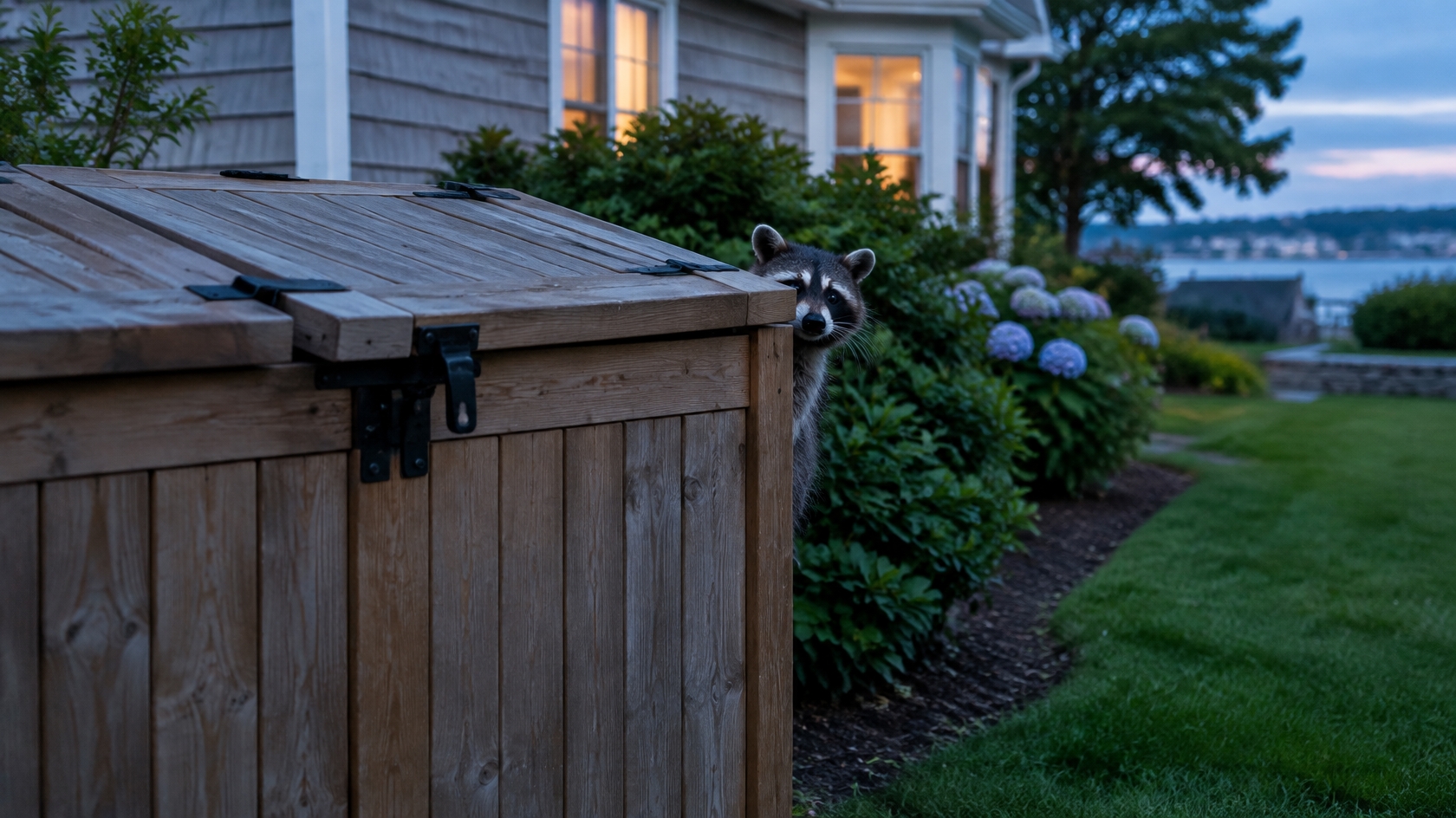
Outdoor waste is one of the most common attractants for rodents and insects. Dumpsters and waste containers should have tight-fitting lids and be positioned away from building entrances. The exterior of any facility should be inspected regularly for spilled food, grease buildup, and organic debris near loading docks and delivery areas.
Pheromone-monitoring systems and a grid-like pattern of glue traps and dome-pitfall traps help locate infestation hotspots early, per Quality Assurance & Food Safety Magazine. High-traffic restaurants often require monthly treatments to maintain pest-free status.
Keeping Your Yard Free of Nuisance Animals
Yards that provide food, water, and shelter attract nuisance wildlife and increase pest pressure on structures. Remove bird feeders during active wildlife seasons, secure compost bins, and eliminate standing water in containers, gutters, and low-lying areas.
According to NPMA and USDA research, 60% of small businesses report pest infestations yearly, costing an average of $3,300 per incident. Simple yard management habits reduce that risk considerably.
Pets in Natural Spaces
Pets can carry ticks, fleas, and other parasites back into the home after time outdoors. Keep pets on established trails in natural areas and inspect them thoroughly after each outing.
Pets can also disturb wildlife dens or nesting sites, which may trigger defensive behavior from protected species. Keeping pets leashed in natural spaces reduces both pest exposure and potential legal complications under wildlife protection laws.
Preventing Unwanted Wildlife Activity Near Your Property
Wildlife activity near structures creates both pest pressure and legal risk. The U.S. wildlife control market generates approximately $2.8 billion in annual revenue, per NWCOA and Allied Market Research, driven by suburban expansion and high-volume bat and raccoon attic calls.
Physical Exclusion and Deterrence Methods
Physical exclusion is the most reliable long-term strategy for keeping wildlife out of structures. It targets the exterior of buildings, closing gaps before animals establish a roost or den.
Effective exclusion and deterrence methods include:
- Bat exclusion: Install one-way exclusion devices outside the maternity season (typically May 15 to August 15). Poisoning or killing bats is illegal in most states and can trigger heavy fines.
- Bird netting: When professionally installed with fully sealed perimeters, netting is the most effective long-term exclusion method for birds, per NWCO and USFWS.
- Bird spikes: Useful for larger birds like pigeons but less effective for smaller species such as sparrows.
- Chimney caps and vent covers: Block common entry points for raccoons, squirrels, and bats.
- Habitat modification: Remove brush piles, woodpiles, and dense vegetation near the building exterior to reduce harborage.
Warning signs of a bat roost include a sharp ammonia odor on upper floors, greasy dark stains near roofline entry points, and rice-grain-sized dark droppings that crumble into glittery powder, per USGS.
US Wildlife Regulations Every Property Owner Should Know
US wildlife regulations every property owner should know begin with federal law, which governs most wildlife removal decisions. Acting without understanding these rules risks significant penalties. Property owners must recognize which species are protected and which permits or licensed professionals are required before attempting any removal or exclusion work.
Key regulations include:
- Migratory Bird Treaty Act (MBTA): Protects 1,107 migratory bird species. Criminal violations carry fines up to $250,000 and up to 2 years in prison. Only feral pigeons, European starlings, and house sparrows are not federally protected.
- 2025 MBTA regulatory shift: The DOI reinstated a 2017 opinion limiting MBTA prohibitions to intentional acts targeting birds, per Harvard EELP Tracker.
- Endangered Species Act (ESA): Bats fall under the ESA. Penalties for harming federally endangered bat species reach $50,000 per animal plus one year in prison, according to legal overview resources.
- Depredation permits: Lethal control of any protected migratory bird requires a 50 CFR Depredation Permit from USFWS, per GCSAA and USFWS.
- ESA rollbacks: In November 2025, four proposed regulations were announced that would roll back ESA protections, including a proposed rescission of the current definition of “harm,” per Harvard EELP Tracker.
Conclusion
Maintaining a pest-free environment requires consistent inspection, exclusion, and sanitation practices applied across both interior and exterior areas. Commercial facilities face elevated risk at loading docks, dumpsters, and delivery areas, while residential properties must address yard conditions and structural entry points. An IPM approach reduces reliance on chemical treatments while improving long-term outcomes.
Wildlife management adds a legal dimension that many property owners underestimate. Federal protections for migratory birds and endangered bat species carry serious penalties for non-compliance. Working with trained professionals who understand both pest biology and applicable regulations is the most reliable path to protecting your property, your health, and the surrounding environment.
Frequently Asked Questions
How much does professional pest control cost in the United States?
Residential pest control costs vary by pest type, treatment method, and region. Bed bug heat treatment averaged $967 per service in 2024, per the PCT State of the Bed Bug Control Market. Commercial facilities typically pay more due to facility size, inspection frequency, and the complexity of managing high-risk areas like loading docks and dumpsters. Ongoing IPM contracts reduce costs over time by preventing infestations before they require intensive treatment.
Which pests are most commonly reported in United States homes and businesses?
Ants, spiders, and rodents are the top three pests reported by U.S. homeowners, according to NPMA consumer research. For commercial facilities, cockroaches and stored-product insects create significant food safety risks. The FDA reports that approximately 48 million people fall ill from foodborne diseases each year in the U.S., with pest control deficiencies among the most frequently cited violations in food facility warning letters.
How effective is exclusion compared to chemical-only pest control?
Exclusion delivers 85 to 95% long-term effectiveness for rodent control, compared to 40 to 60% for chemical-only programs, per Scheduling Kit research. Physical barriers address the root cause of infestation by blocking entry rather than treating populations after they establish. For commercial facilities, combining exclusion with IPM monitoring produces the most durable results, particularly at exterior entry points where pest pressure is highest.
How does IPM compare to conventional chemical pest control?
IPM reduces pesticide input costs by 30 to 50% within the first two seasons while maintaining or improving protection outcomes, per Smart Farm Pilot and Kopert research. Conventional chemical programs treat symptoms without addressing conditions that attract pests. IPM adoption is expected to reach 50% of the market by 2030, up from 33% in 2025, as Market Data Forecast reports that regulations tighten and demand for greener solutions grows.
What should a property owner do first when setting up a pest prevention program?
Start with a professional inspection of the full property, including the exterior, foundation, roof line, and any high-risk areas such as utility penetrations and waste storage zones. Only 55% of homeowners currently take a proactive approach to pest control, per Scheduling Kit, which means most infestations are addressed reactively rather than prevented. After the inspection, a trained professional can recommend an IPM-based plan tailored to the specific pest pressure and structural vulnerabilities of the property.