
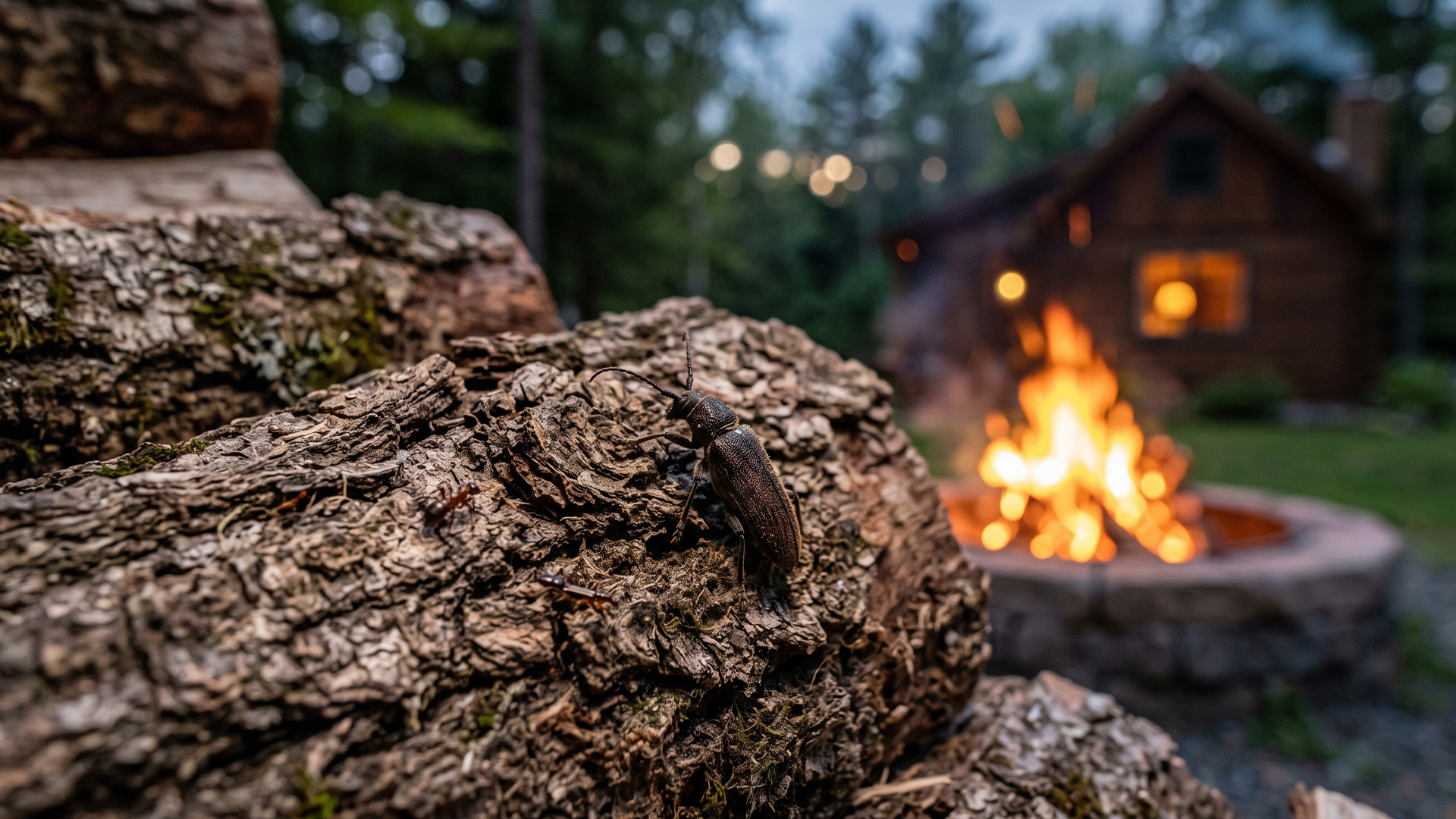
There’s a lot to like about October in New England: crisp afternoons, colorful leaves and the first good excuse to light a fire. Unfortunately, some of the things that make our yards feel especially cozy this time of year can look pretty inviting to pests, too.
A firewood stack beside the house, leaves collecting along the foundation or a thick layer of mulch around landscaping can provide hiding places for mice and other pests. At the same time, cooling temperatures send many common fall invaders, including stink bugs, ladybugs and boxelder bugs, looking for protected places to spend the winter.
At Braman Termite & Pest Elimination, we recommend looking at your fall cleanup as more than a landscaping chore. A few simple changes outside can help reduce pest pressure around your home before those unwanted guests start looking for a way inside.
At a Glance
- Move firewood away from the house and elevate it off the ground. Woodpiles can provide shelter for rodents, insects and other pests.
- Don’t let leaves and yard debris accumulate against the foundation. Leaf piles provide cover for rodents and can create damp hiding places for insects.
- Avoid piling mulch too deeply or directly against structures and plants. Deep mulch can offer protected habitat for rodents and other pests.
- Inspect the exterior of your home while you clean up. Sealing cracks, gaps and other openings can make it harder for fall pests to turn an outdoor hiding place into an indoor one.
Firewood: Not So Great Beside the Foundation
A neatly stacked pile of firewood may look harmless, but to a pest it can resemble a condominium complex.
Spaces between logs provide protected areas where mice, spiders, ants and other creatures can hide. Wood in contact with damp soil can also retain moisture, creating conditions that appeal to certain insects.
The bigger concern comes when that woodpile is directly against the house. Pests that are already sheltering beside your foundation have a much shorter trip when they start searching for a crack, utility opening or gap beneath a door.
The CDC recommends moving woodpiles 100 feet or more from a home when feasible and raising wood at least one foot off the ground. We know 100 feet isn’t realistic for every New England property, especially smaller lots. The practical takeaway is simple: keep firewood as far from the structure as your property reasonably allows and elevate it rather than stacking it directly on the soil.
We also recommend bringing in only the amount of firewood you plan to use rather than storing large quantities indoors. Think fireplace supply, not winter lodging for whatever happened to be hiding between the logs.
Leaf Piles: Easy for Pests to Hide In
Raking leaves into a giant pile to jump in may be an October tradition. Leaving that pile beside the house for several weeks is a tradition we’d skip.
The EPA specifically recommends removing potential rodent nesting sites such as leaf piles and deep mulch. Leaves and other yard debris can provide concealment and nesting material for mice and other rodents. When leaves remain damp, they can also create shelter for insects and other occasional invaders.
Pay particular attention to leaves collecting:
- Along the foundation
- Beneath decks and porches
- Around basement windows and window wells
- Behind sheds or outdoor storage
- Near garage doors and other potential entry points
You don’t need a spotless yard. The goal is simply to avoid creating long-term shelter immediately beside the structure.
As you rake, take advantage of your clear view of the foundation. Look for cracks, gaps around utility lines, damaged screens and worn weather stripping. Mice can squeeze through an opening only about 1/4 inch wide. That means a gap that looks insignificant to us can look like a perfectly good front door to a mouse.
Mulch: Too Much Can Be Inviting
Mulch does plenty of good things for a landscape, so we’re certainly not suggesting homeowners get rid of it. The problem is excess.
Avoid letting mulch or thick organic material build up directly against siding or other vulnerable areas. You want to maintain your landscaping without creating a protected highway right to the house.
Mulch also makes it harder to spot activity when it is piled too high. Keeping the area immediately around your foundation neat and visible makes it easier to notice burrows, gnawing, pest activity or openings that need attention.
Why Fall Cleanup Matters
October isn’t just cleanup season. It’s moving season for many pests.
As temperatures drop across New England, mice and rats begin looking for dependable food, water and shelter. Meanwhile, insects such as stink bugs, Asian ladybugs and boxelder bugs seek protected overwintering sites and may gather on the sunny sides of buildings before finding openings that lead indoors.
A leaf pile or woodpile isn’t necessarily “causing” every fall insect problem. But clutter, vegetation and stored materials can increase the amount of pest activity immediately around your home. Combine that with a convenient opening into a warmer structure and suddenly your house becomes considerably more appealing.
Give Your Home a Fall Pest Checkup
While you’re working outside this month, we recommend adding a few pest-prevention tasks to the list:
- Move firewood away from the foundation and keep it elevated.
- Remove accumulated leaves, branches and yard debris from around the house.
- Thin out excessive mulch near the structure.
- Trim shrubs and vegetation so they aren’t pressed against the house.
- Check doors and garage doors for gaps.
- Repair damaged screens.
- Inspect around pipes, cables and utility penetrations.
- Seal cracks and openings where appropriate.
- Keep outdoor trash containers tightly covered.
These steps work together. Removing shelter makes your property less appealing while exclusion makes it harder for pests that do show up to get indoors.
When Fall Pests Have Already Moved In
Prevention can go a long way, but sometimes pests beat you to it. Droppings, gnaw marks, scratching sounds, nesting material or repeated sightings of mice are good reasons to investigate. Clusters of stink bugs, ladybugs or boxelder bugs indoors can also indicate that fall invaders have found their way into the structure.
If you see signs pests have already gained access, contact Braman or request a free online quote. We can identify what you’re dealing with, determine how pests are getting in and recommend an appropriate solution.
Homeowners who want ongoing protection may also want to consider our MultiPest and MultiPest+ plans. They cover 20+ common household pests, including rodents, stink bugs, ladybugs and boxelder bugs, making it especially relevant as fall pest pressure increases.
The goal isn’t to stop enjoying everything that makes autumn in New England special. Keep the firewood, enjoy the landscaping and by all means jump in a leaf pile if the mood strikes. Just don’t leave pests a cozy spot beside the house when you’re done.
Frequently Asked Questions About Fall Yard Pests
Does Stacking Firewood Next to the House Attract Mice?
A woodpile can provide mice with protected shelter, especially when it sits directly on the ground or remains undisturbed. Keeping firewood away from your home and off the ground reduces harborage close to potential entry points.
How Far Should Firewood Be from My House?
Move woodpiles 100 feet or more from a home and raise them at least one foot off the ground when possible. Not every New England property has that much space, so homeowners should place firewood as far from the structure as practical and avoid stacking it directly against the foundation.
Do Leaf Piles Attract Rodents?
Leaf piles can provide rodents with shelter and nesting material. Removing accumulated leaves and other debris, particularly from areas next to foundations, decks, garages and sheds, makes those locations less hospitable.
Can Mulch Attract Mice and Other Rodents?
Deep mulch can create sheltered areas that rodents use for cover. Avoid excessive mulch and keep it from piling directly against the house or around the bases of plants.
What Pests Commonly Try to Enter New England Homes in the Fall?
Common fall pests in New England include mice, rats, stink bugs, Asian ladybugs and boxelder bugs. Many are responding to cooler weather by searching for shelter or protected overwintering sites.
How Can I Tell if Mice Have Already Entered My Home?
Common signs include droppings, gnaw marks, nesting material, scratching sounds and damaged food packaging. Because mice can enter through openings approximately 1/4 inch wide, an exterior inspection for small gaps is also important.