
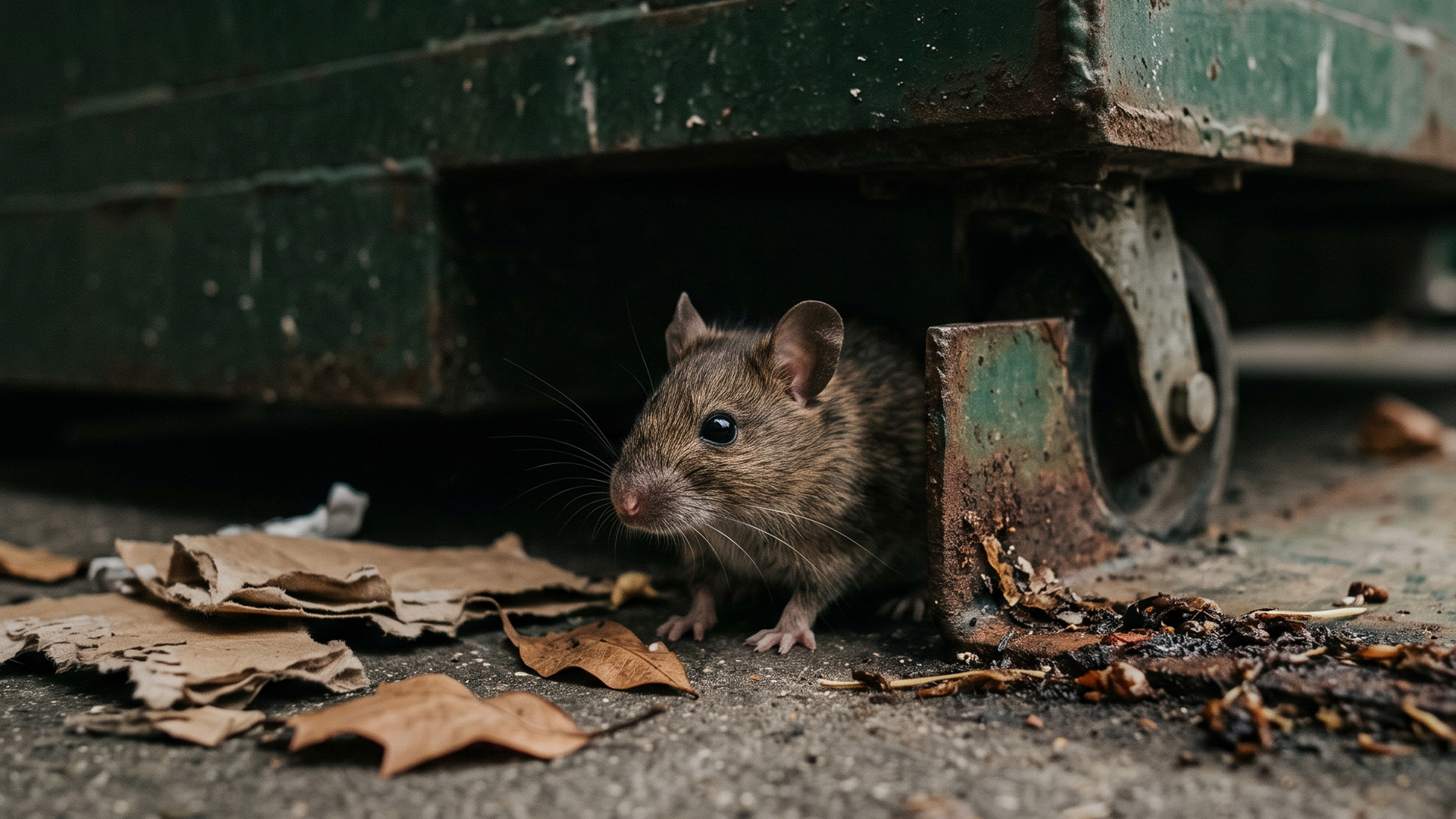
September brings plenty of activity to loading docks, dumpsters and delivery areas. Trucks come and go, doors open throughout the day, packaging piles up and waste moves through the property. Unfortunately, pests appreciate a busy receiving area, too.
As we move into fall and temperatures begin to cool, these high-traffic exterior areas deserve extra attention. Food residue, standing water, trash, cardboard and small openings around a building can provide pests with food, water, shelter and access indoors. Rats and mice are an especially important concern as businesses prepare for cooler weather. EPA guidance recommends reducing the food, water and shelter available to rodents and sealing openings that can provide access to buildings.
The good news? A few focused changes around your receiving and waste areas can reduce fall pest pressure by making your property much less inviting.
Key Takeaways
- Loading docks and delivery areas combine several pest attractants in one place. Frequent door openings, food debris, moisture, trash and incoming shipments can all contribute to pest pressure.
- Fall is an important time to strengthen exclusion. Inspect dock doors, utility penetrations and other exterior openings before rats and mice find an easy route inside.
- Sanitation works best when it extends beyond the dumpster itself. Spills, residue under containers, loose cardboard and clutter around receiving areas can all provide resources or hiding places for pests.
- Pest prevention is a team effort. Maintenance, sanitation, receiving staff and your pest management professional should all know what to watch for and how to report concerns.
Why Loading Docks Become Pest Hotspots
From a pest’s perspective, a loading dock can be a pretty convenient neighborhood.
Receiving areas are designed for constant movement between indoors and outdoors. That movement creates opportunities for pests to approach a building or enter while doors are open.
Deliveries can also introduce pallets, cardboard and products that have traveled through warehouses, trucks and other environments before arriving at your facility.
Nearby dumpsters add another attraction. Food waste, beverage residue and other organic material can draw flies, cockroaches, rats, mice and other pests. If containers leak or lids do not close properly, the problem becomes even larger.
As temperatures trend cooler in the fall, small openings around these areas also become increasingly important. Rodents do not need much encouragement when food, water and shelter are available nearby. The CDC recommends sealing gaps and holes as part of preventing rodents from entering buildings.
Start with the Waste Area
Keeping dumpsters and waste-handling areas clean is one of the most practical steps a business can take.
We recommend making these areas part of a routine sanitation inspection rather than waiting until there is an obvious pest problem.
Look for:
- Dumpster lids that are left open or no longer close correctly
- Trash or food waste that has fallen outside the container
- Grease, liquids or other residue beneath dumpsters
- Leaking containers or drain issues
- Cardboard and packaging stored against the building
- Weeds, debris or unused materials that provide hiding places
- Evidence of gnawing, droppings, burrows or pest activity
The EPA similarly recommends keeping garbage in tightly covered containers and removing sources of food, water and shelter as part of pest prevention.
And remember: cleaning the inside of a dumpster while ignoring the concrete beneath it is a little like washing the dishes and leaving dinner on the floor. Pests are not particularly picky about presentation.
Give Loading Docks a Fall Maintenance Check
September is a good time to inspect the exterior of your facility before colder weather arrives.
Pay particular attention to dock doors and overhead doors. Damaged seals, worn weather stripping or gaps along the bottom or sides can create access points for pests.
We also recommend checking:
- Personnel doors near receiving areas
- Door sweeps and thresholds
- Cracks where different building materials meet
- Utility lines and pipe penetrations
- Exterior vents and screens
- Floor drains and nearby plumbing
- Damaged siding, masonry or foundation areas
- Areas where pallets, equipment or inventory sit against exterior walls
Sealing pest entry points is an important part of rodent prevention. The EPA advises sealing holes inside and outside buildings while the CDC recommends inspecting for gaps around foundations, doors, windows, pipes and utility lines.
Pay Attention to the Receiving Process
A clean dock can still face pest pressure if receiving practices create opportunities.
Consider what happens from the moment a truck arrives until products are stored. Are dock doors left open longer than necessary? Does packaging accumulate throughout the shift? Are damaged goods set aside near an exterior wall? Do employees know what pest evidence looks like?
We encourage businesses to include pest awareness in their receiving procedures. Employees do not need to become entomologists. They simply need to recognize when something looks out of place.
Signs worth reporting include droppings, gnaw marks, damaged packaging, live or dead insects, unusual odors and nesting material. The CDC specifically identifies droppings and gnaw marks as signs that rodents may be present.
Watch for Rats and Mice as Fall Approaches
Rats and mice deserve special attention around commercial properties heading into fall.
Both can take advantage of food, water, shelter and access points around a building. Once rodents become established, they can contaminate areas with urine and droppings and damage materials through gnawing. CDC guidance notes that rodents can carry diseases and recommends controlling conditions that support an infestation before rodents become established in a building.
If employees notice activity around dumpsters, loading docks or exterior walls, do not treat it as an isolated outdoor issue. Exterior rodent activity can be a warning that conditions around the facility need attention.
Build Pest Prevention into Daily Operations
The most effective commercial pest management programs do more than react after someone spots a pest.
Our trained technicians look at the conditions contributing to pest activity so we can help businesses address the source of the problem. That can include sanitation, maintenance, exclusion, monitoring and treatment recommendations based on your facility and the pests involved.
A simple fall routine can include assigning someone to inspect waste and receiving areas, documenting pest sightings, correcting sanitation or maintenance issues promptly and sharing that information with your pest management professional.
For broader property-wide prevention ideas, you can also read our tips for maintaining a pest-free environment.
Prepare Your Facility Before Pests Move In
September is an ideal time to look closely at the exterior conditions around your business and correct small problems before they become bigger ones. Clean waste areas, well-maintained doors, good receiving practices and ongoing pest monitoring can go a long way toward reducing fall pest pressure.
If you would like help evaluating your facility, contact Braman about a commercial pest control plan designed for your business. We can help identify pest activity and the conditions contributing to it so you can make informed decisions about protecting your property, employees, customers and reputation.
Frequently Asked Questions
Why Are Loading Docks Common Pest Hotspots?
Loading docks combine frequent indoor-outdoor traffic with potential sources of food, water and shelter. Open doors, incoming shipments, packaging, spills and nearby waste areas can make it easier for pests to approach or enter a facility.
What Pests Should Businesses Watch for Around Dumpsters?
Rats, mice, flies and cockroaches are among the pests that may be associated with waste and sanitation issues. The specific pests will vary depending on your facility, surrounding environment, waste stream and season.
Why Is September An Important Time for Commercial Rodent Prevention?
September is a useful time to prepare a building for cooler fall weather by inspecting exterior conditions and correcting possible rodent entry points. Addressing food, water, shelter and access before an infestation becomes established is a core part of rodent prevention.
How Can Businesses Reduce Pest Activity Around Dumpsters?
Keep lids closed, clean spills and residue promptly, prevent trash from accumulating around containers and address leaks or standing water. The surrounding area should be included in routine sanitation inspections rather than focusing only on the dumpster itself.
How Can We Keep Rats and Mice Out of Loading Dock Areas?
Focus on exclusion and sanitation. Inspect door seals, thresholds, utility penetrations and exterior gaps. Reduce accessible food, water and shelter around the building and report rodent evidence promptly.
Does a Commercial Pest Control Plan Include Prevention?
A strong commercial pest management program should look beyond individual pest sightings to identify contributing conditions, monitor activity and recommend preventive steps appropriate for the facility. We design commercial pest control programs for different business environments and operational needs.